Solutions
One system, two missions
Commercial freight teams need efficiency and margin protection. Humanitarian relief teams need speed and adaptability under chaos. Gallatin was built to serve both, because the underlying logistics problem is the same: get the right goods to the right place when conditions resist you.
Route optimization built for carriers who run every day
Regional freight carriers, distribution center operators, and third-party logistics teams face a version of the same challenge every morning: plans made overnight degrade the moment trucks leave the yard. Traffic incidents, facility delays, and last-minute customer changes force dispatchers to rebuild routes manually, burning time and adding empty miles.
Gallatin eliminates that daily rebuild. The dispatch engine re-scores your routes continuously against live traffic, facility status, and driver hours data. Your dispatchers spend their time managing the genuine exceptions, not rebuilding plans that slipped.
- Reduced empty miles through continuous route consolidation
- Fewer late deliveries when conditions change mid-route
- Dispatcher focus on exceptions, not routine re-planning
- Integration with your existing TMS in days, not months
In our early-access pilot program, a regional carrier running the Chicago-Milwaukee corridor reduced empty miles by 19% across a 90-day period after routing through Gallatin.
Talk to Sales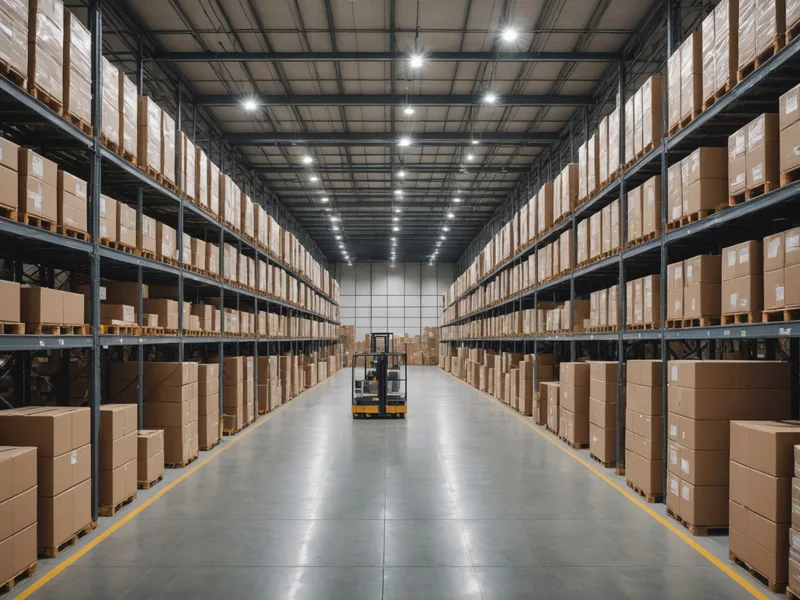
Crisis logistics requires a different kind of optimization
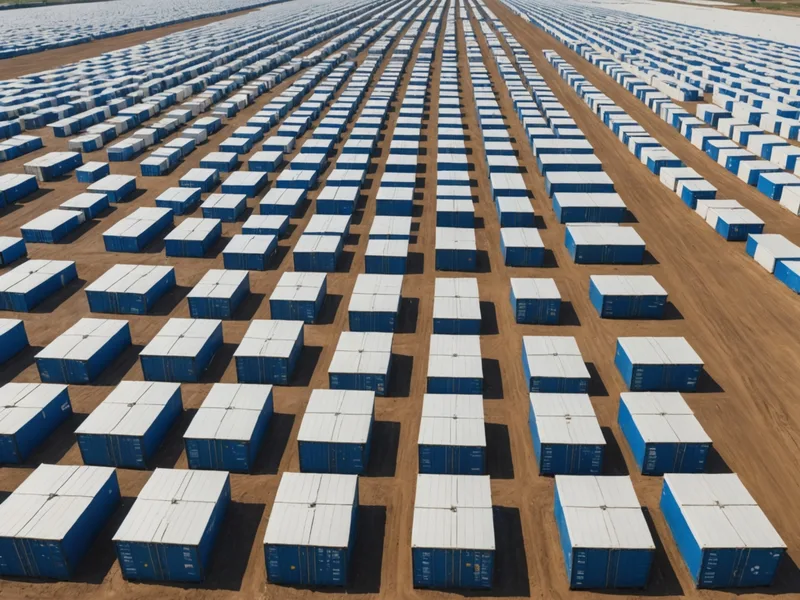
When a flood closes a road, an aid convoy cannot wait two hours for a dispatcher to manually rebuild routes across three implementing partners. The calculus also shifts: a missed commercial delivery costs money. A missed aid delivery costs more.
Gallatin's crisis escalation mode activates a different objective function. Delivery time windows expand, inventory pools are shared across partner organizations, and P0 routes are locked from automatic changes unless you explicitly authorize them. The engine still optimizes, but it optimizes for coverage and speed, not margin.
- Crisis mode activation in under 60 seconds
- Shared inventory visibility across multiple partner organizations
- Road closure and access restriction feed integration
- Humanitarian data exchange connectivity (UN OCHA, HDX)
During a 2025 flood response pilot, a relief logistics team coordinated delivery to 12 distribution points across affected areas with a 4-person logistics cell using Gallatin's crisis escalation mode.
Request a Relief DemoWhy One Engine for Both
The underlying math is the same, the constraints are different
Freight optimization and humanitarian logistics share a mathematical core: a vehicle routing problem with time windows, capacity constraints, and real-time disruption. The difference is which constraints matter most and how you weight competing objectives.
Building one engine that handles both missions means every improvement to the routing algorithm benefits both customer types. Commercial customers fund the infrastructure that makes crisis mode possible. Relief operations stress-test the engine in ways no commercial simulation can replicate.
Operational Contexts
Where Gallatin operates
Regional distribution networks
Mid-size carriers running 20 to 200 vehicles across a multi-state territory. High daily dispatch volume, multiple distribution center handoffs, and customers demanding tighter delivery windows.
Third-party logistics operators
3PL teams managing freight for multiple shipper clients simultaneously, where inventory visibility across accounts and route consolidation opportunities compound daily.
International NGO logistics
Large relief organizations coordinating aid delivery across multiple implementing partners in high-stress environments, where shared inventory visibility and real-time rerouting are operationally critical.
Which mission describes your operation?
Tell us about your fleet and context. We will configure a demo around your specific operational challenges.